Tokyo Travel Guide: Getting In, Neighborhoods & Day Trips
Updated July 10, 2026 · Prices checked July 10, 2026
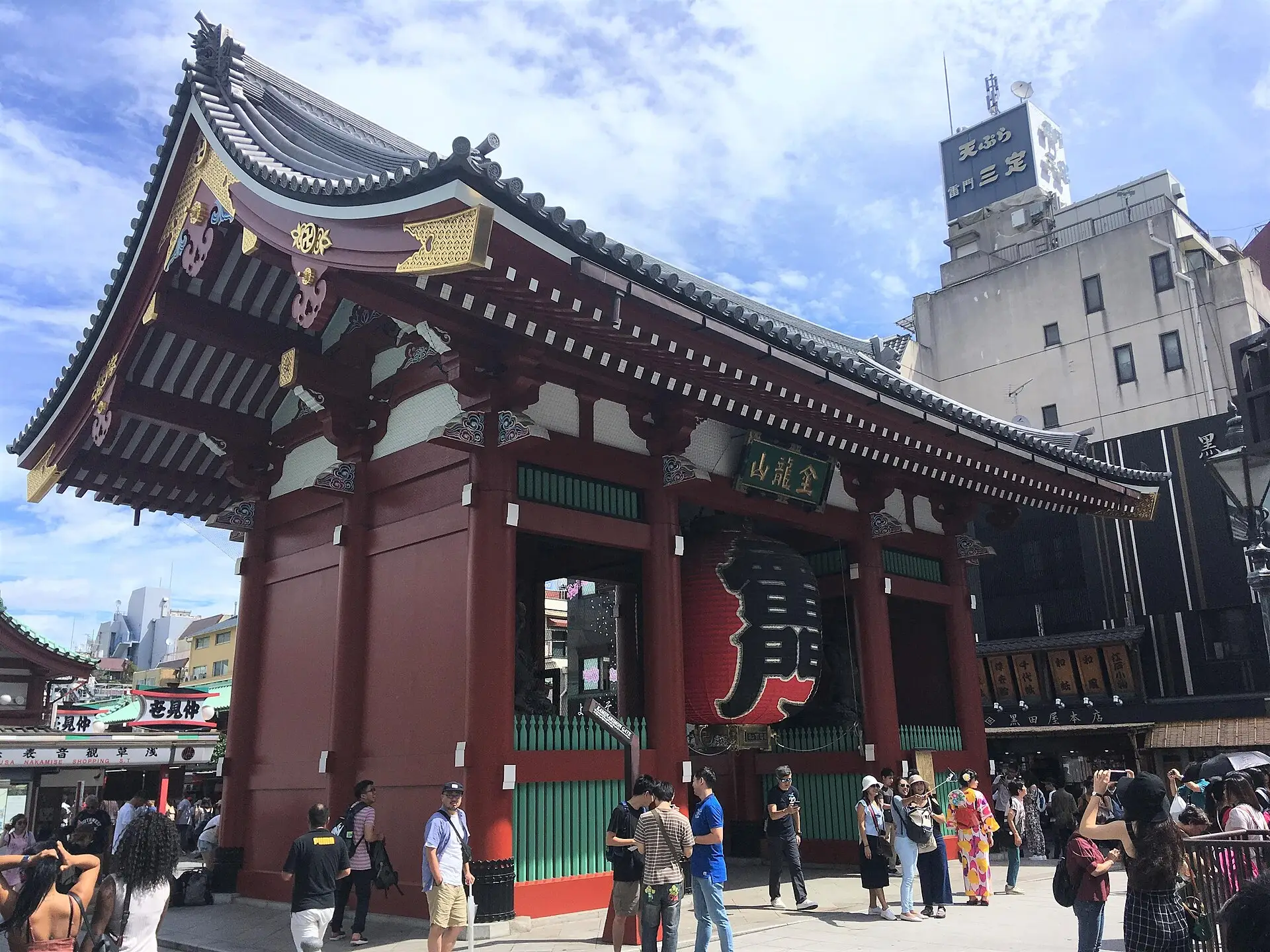
Kaminarimon, the great lantern gate of Senso-ji in Asakusa Photo: Christophe95・CC BY-SA 4.0
Tours and tickets
Guided walks, day trips and attraction tickets, with reviews from other travelers.
Tokyo sights on a map
26 sights · checked on official sites (2026-10-24)
Asakusa and Tokyo Skytree
Around Ueno
Tokyo Station and the Imperial Palace
Ginza and Hama-rikyu
Around Shinjuku
Harajuku, Meiji Jingu and Yoyogi Park
Around Shibuya Station
Odaiba and Toyosu
- 1Senso-jiAsakusa and Tokyo Skytree・5 min walk from Asakusa StationThe temple of Kannon, the bodhisattva of mercy, at the heart of Asakusa. You enter through the Kaminarimon gate and walk up the Nakamise shopping street to the main hall.
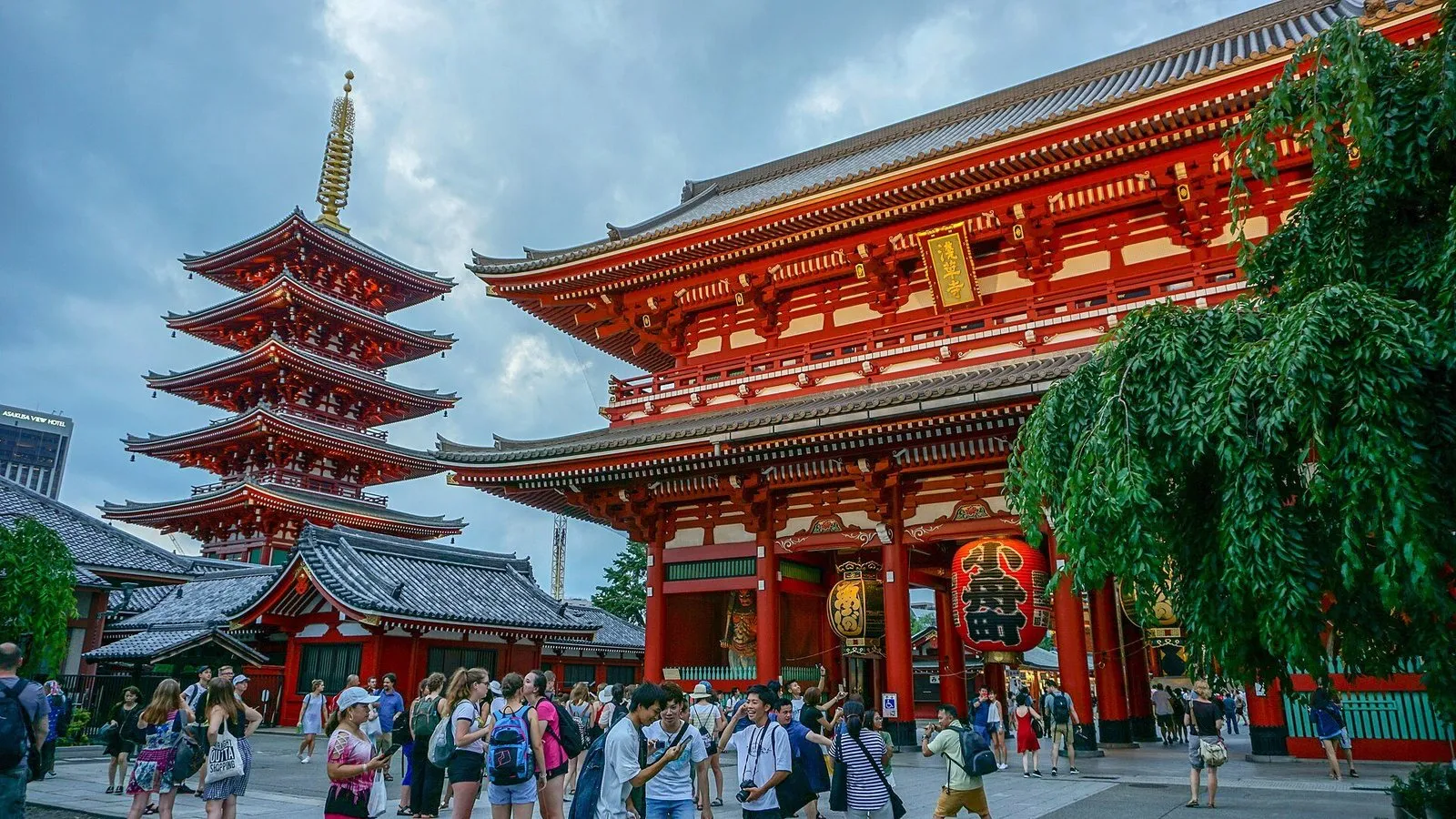
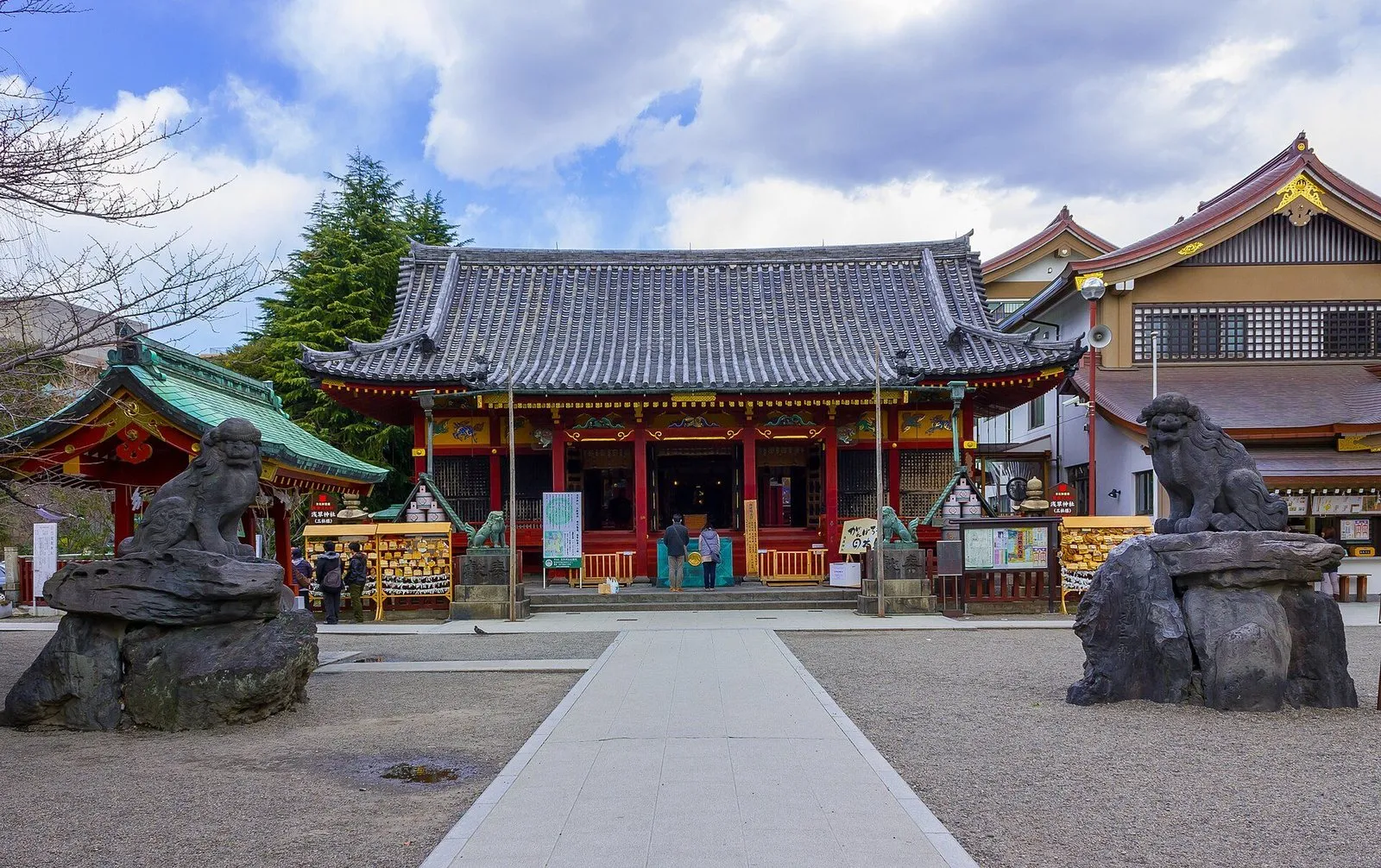
- 2Asakusa ShrineAsakusa and Tokyo Skytree・7 min walk from Asakusa StationThe shrine next to Senso-ji, which guards the whole Asakusa district. Its Edo-period shrine buildings still stand.
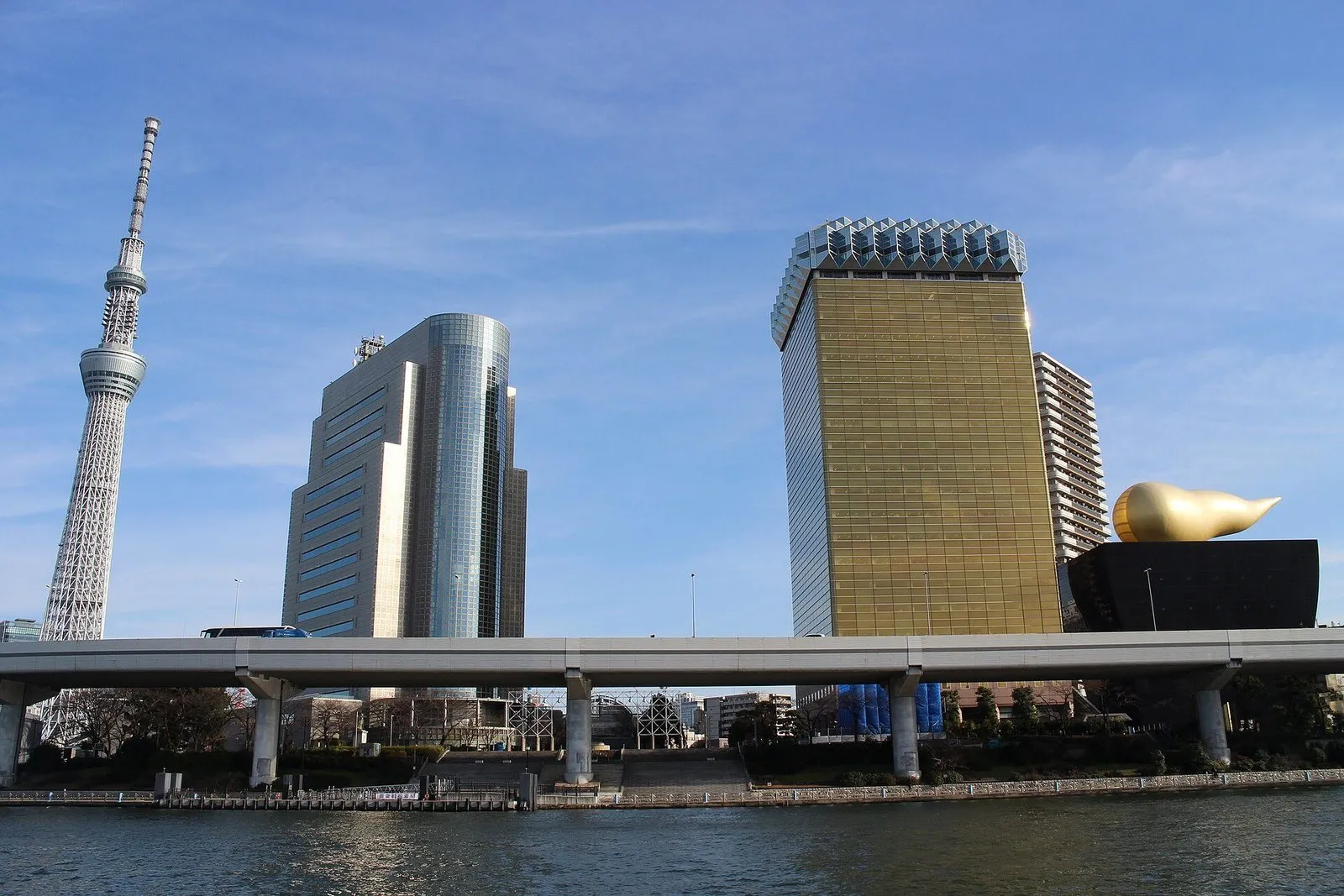
- 3Sumida ParkAsakusa and Tokyo Skytree・3 min walk from Asakusa StationA long, narrow park on both banks of the Sumida River. It is famous for cherry blossoms and has views of Tokyo Skytree across the water.
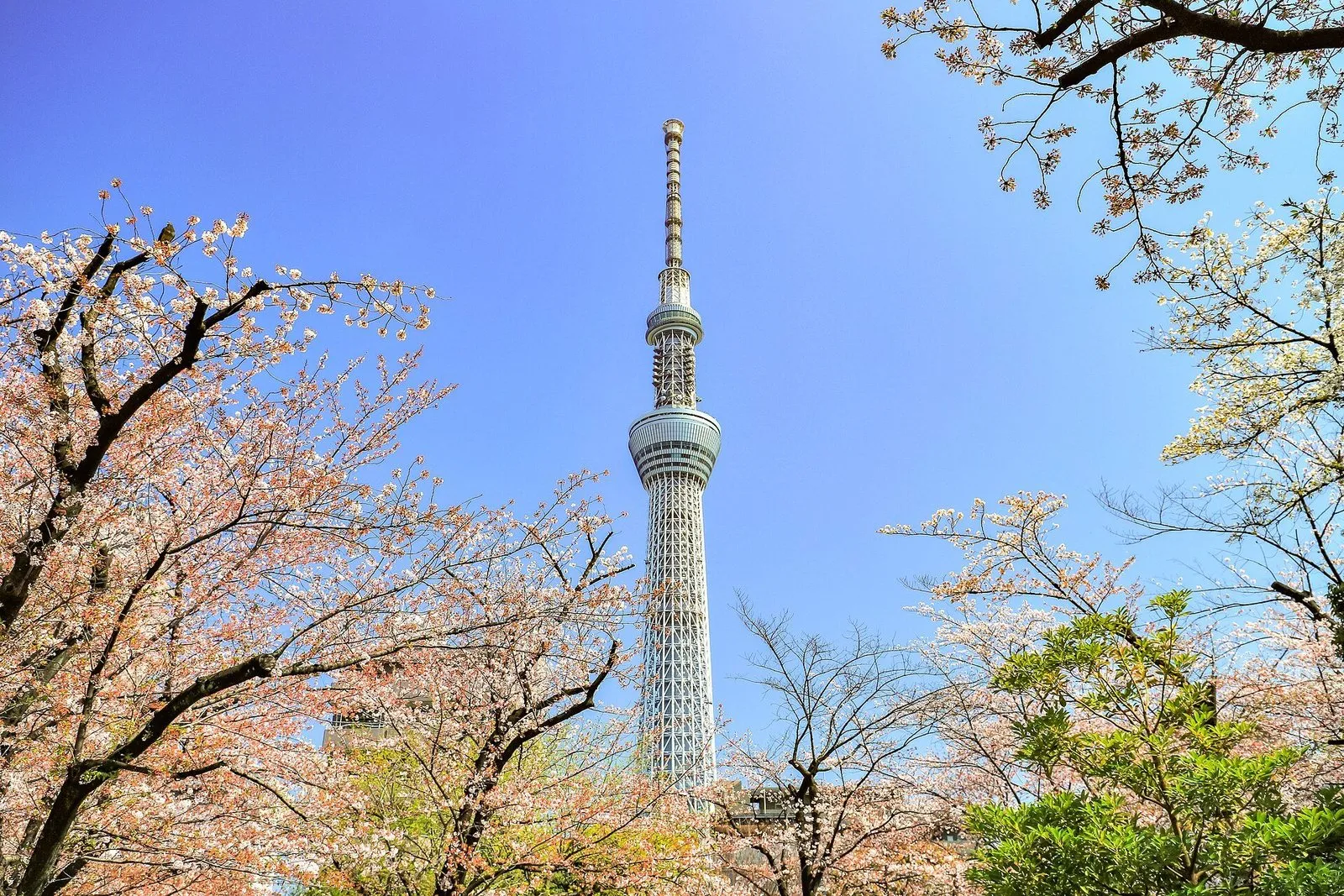
- 4Tokyo SkytreeAsakusa and Tokyo Skytree・Connected directly to Oshiage StationA 634-metre broadcasting tower. The Tembo Deck at 350 m and the Tembo Galleria at 445–450 m look out over the Kanto Plain.
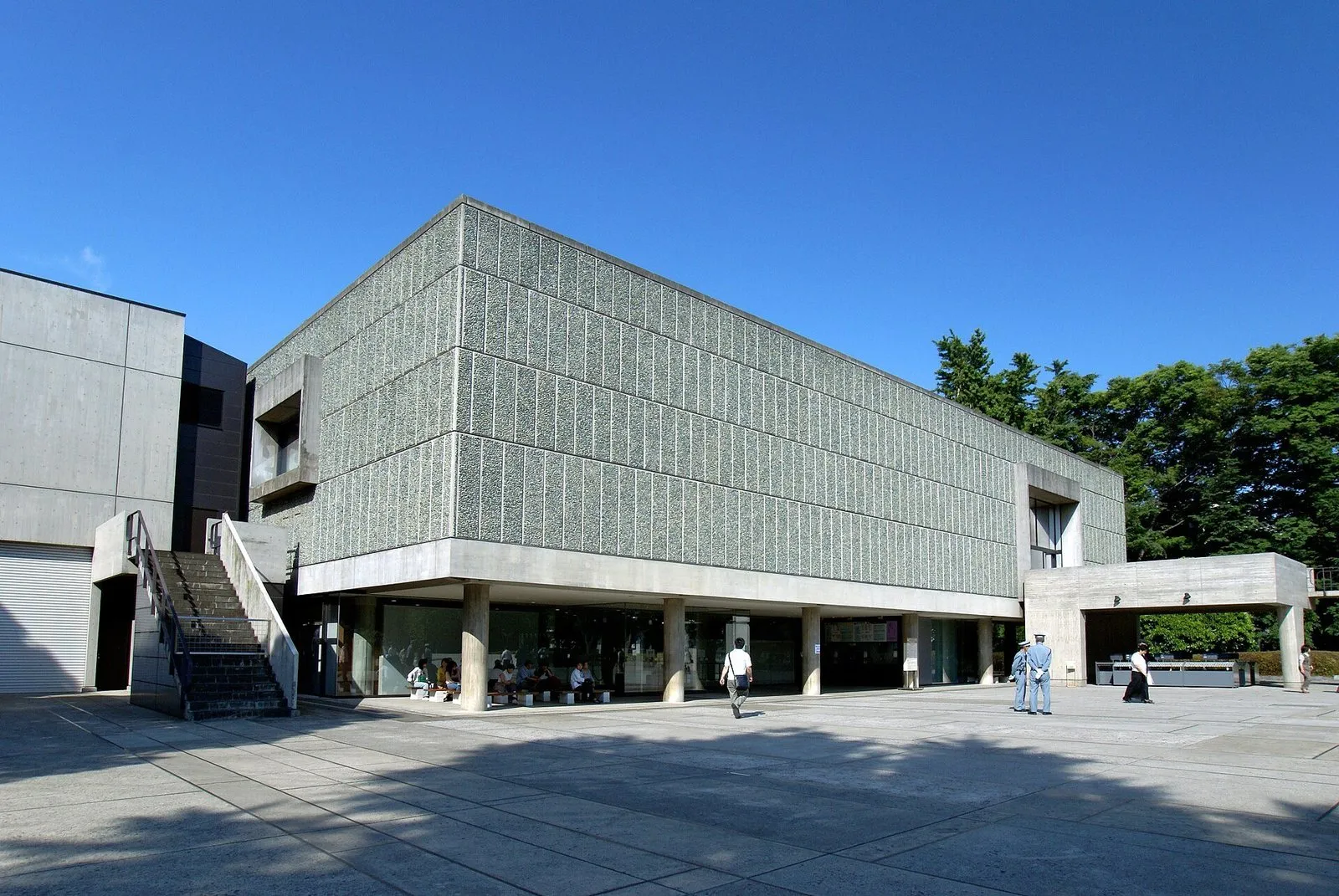
- 5National Museum of Western ArtAround Ueno・1 min walk from Ueno StationA museum designed by the architect Le Corbusier and part of a World Heritage listing. It shows Western art built on the Matsukata Collection.
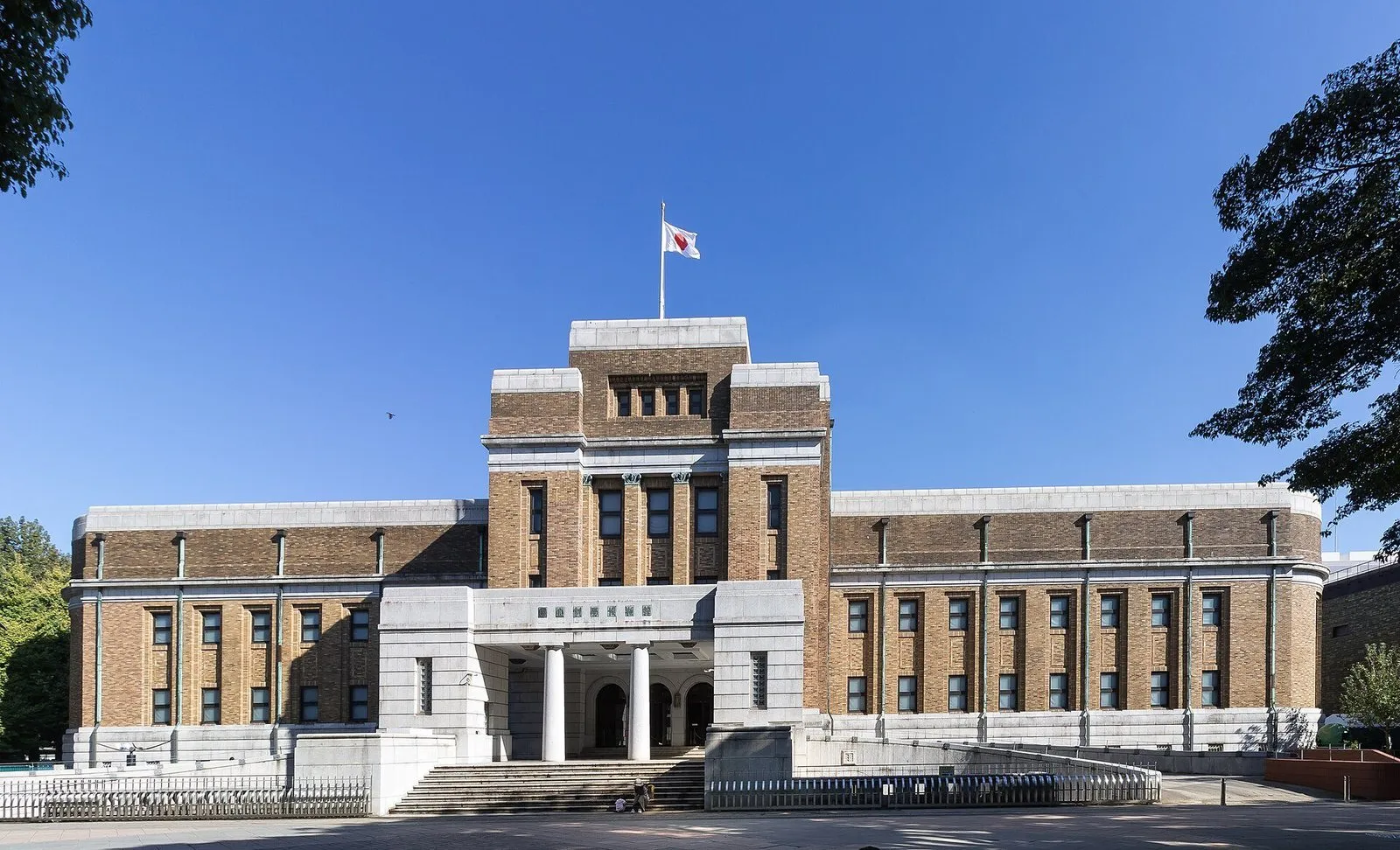
- 6National Museum of Nature and ScienceAround Ueno・5 min walk from Ueno StationJapan's national museum of natural history and science, with two main buildings: the Japan Gallery and the Global Gallery.
- 7Ueno ParkAround Ueno・2 min walk from Ueno StationOne of the first parks in Japan, home to many museums and galleries. It is known for cherry blossoms and the lotus in Shinobazu Pond.
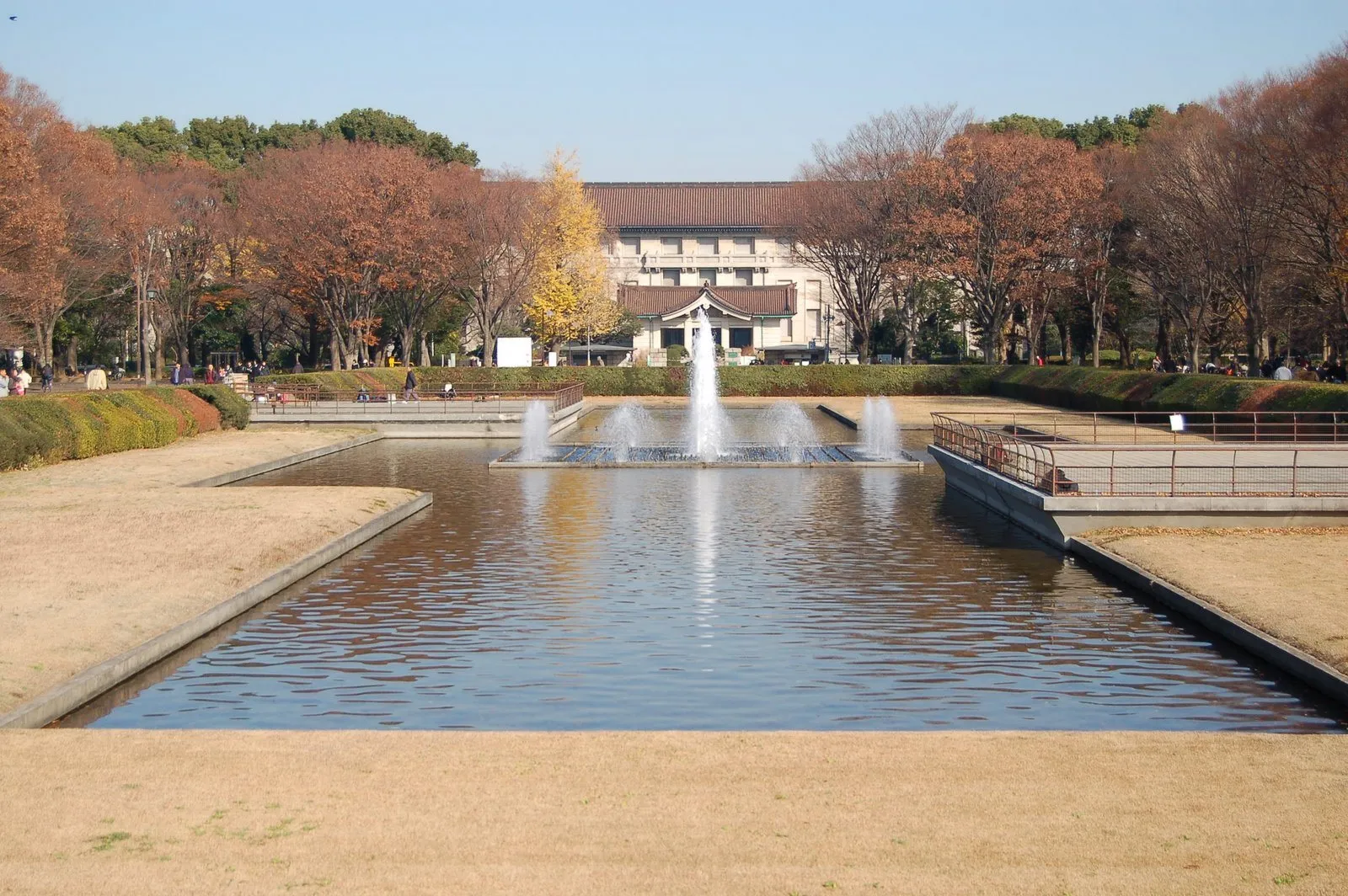
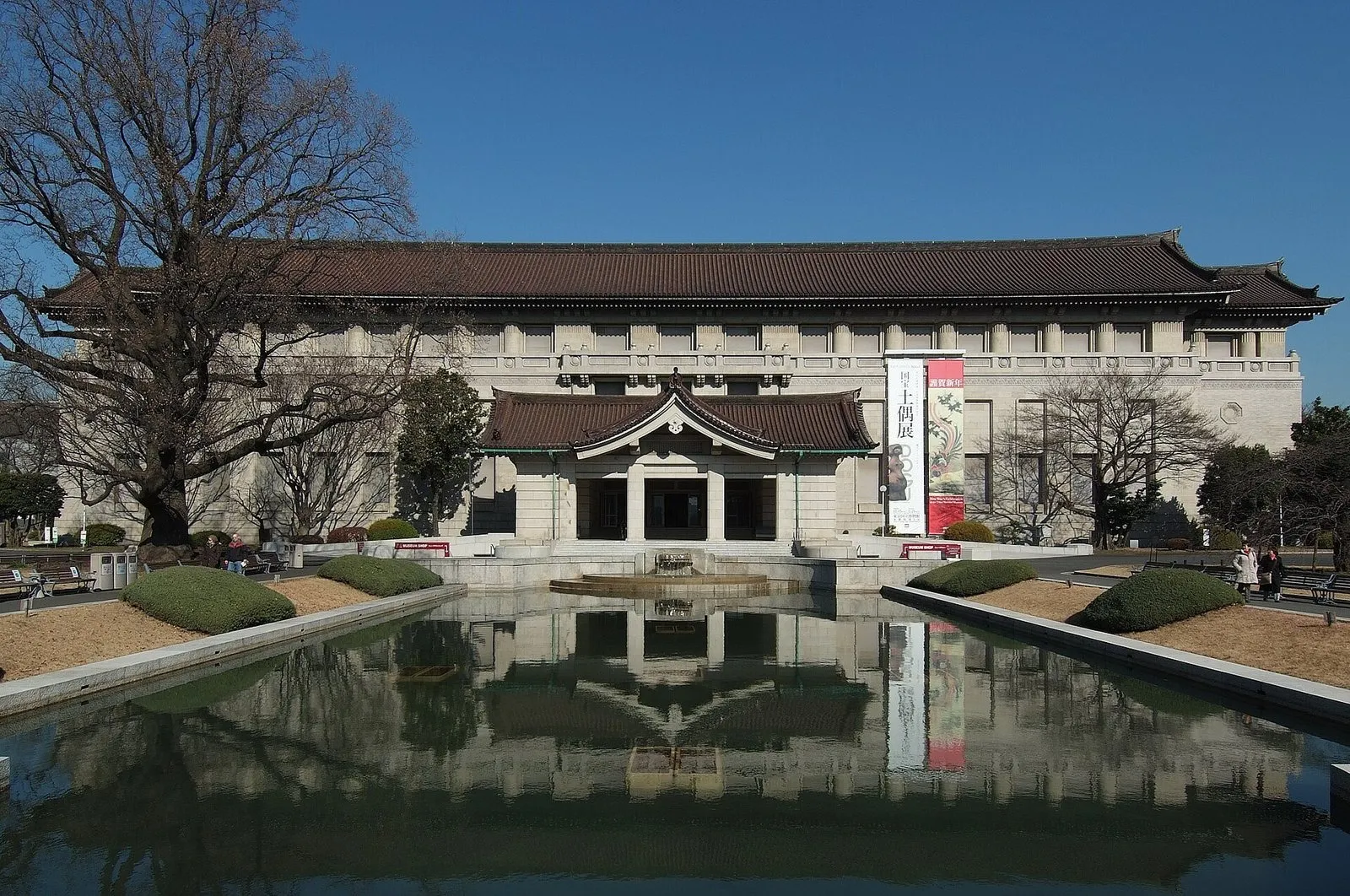
- 8Tokyo National MuseumAround Ueno・10 min walk from Ueno StationA museum that dates from 1872, showing art and archaeology of Japan and Asia, including National Treasures and Important Cultural Properties, in several buildings on a large site.
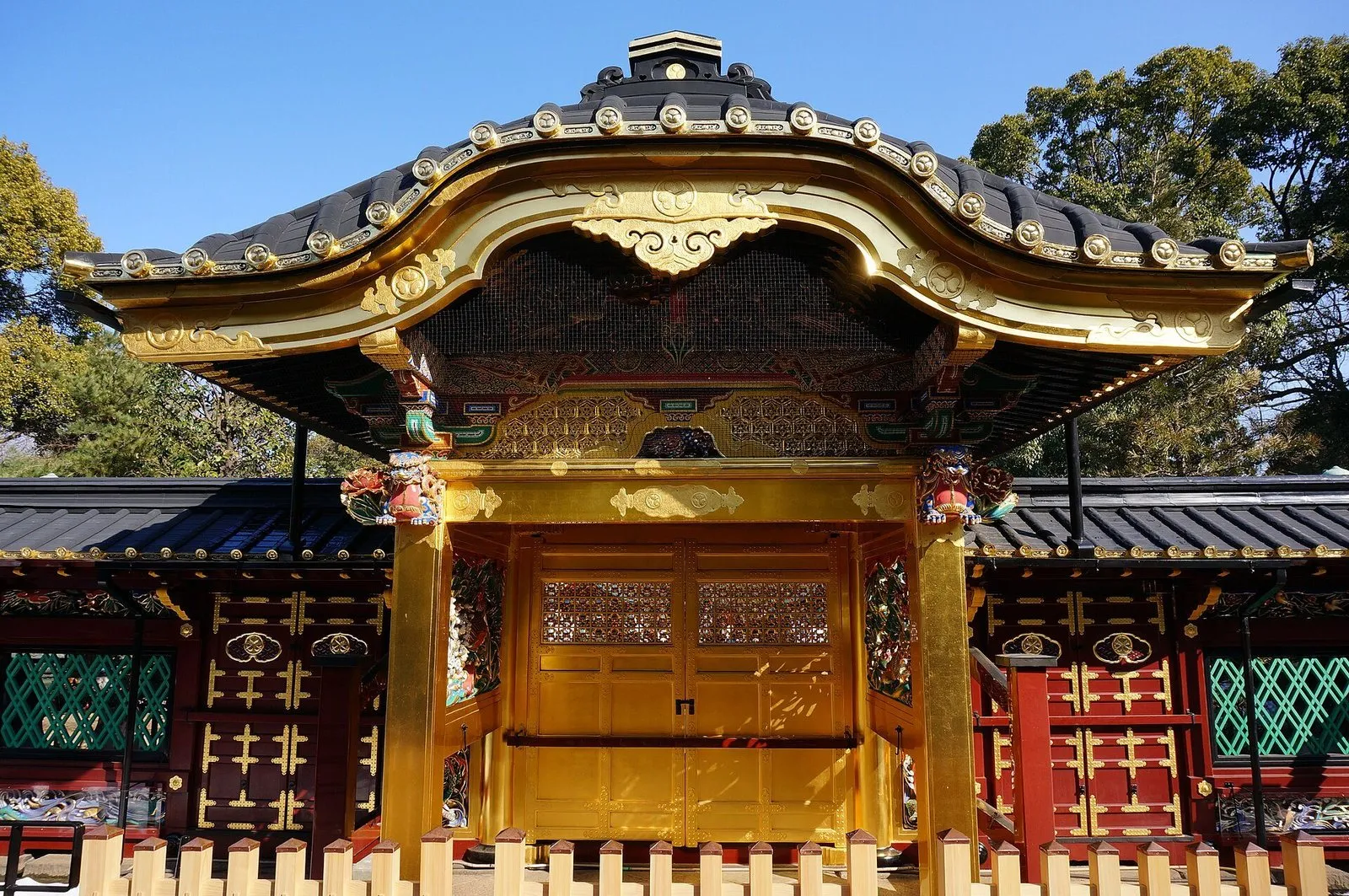
- 9Ueno ToshoguAround Ueno・10 min walk from Ueno StationA shrine to Tokugawa Ieyasu. Its gilded Edo-period shrine building has survived wars and earthquakes.
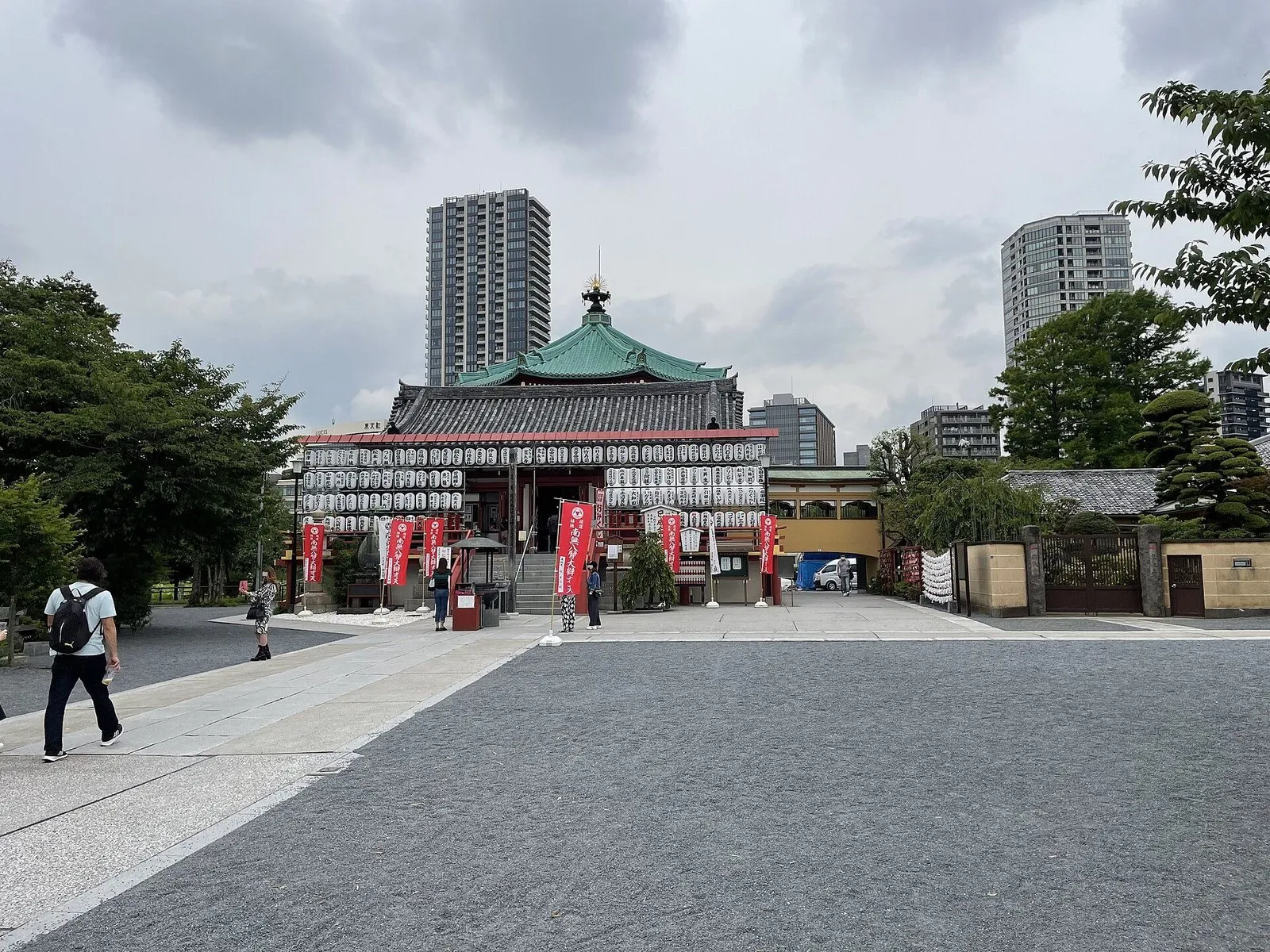
- 10Shinobazu Pond and Benten-doAround Ueno・Inside Ueno ParkAn octagonal hall to the goddess Benzaiten on an island in the pond in Ueno Park. In summer the pond fills with lotus flowers.
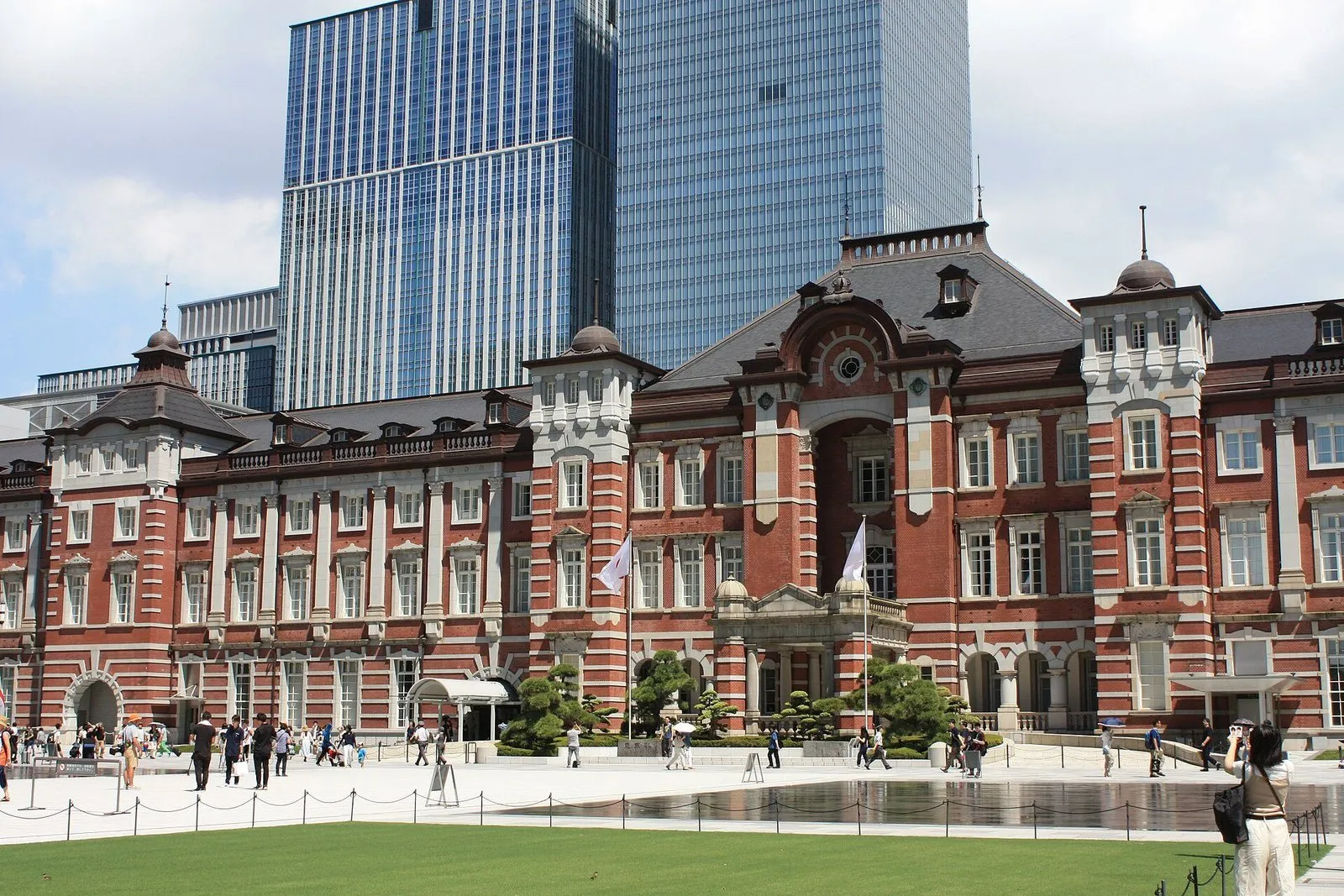
- 11Tokyo Station Marunouchi BuildingMarunouchi, Ginza and the Imperial Palace・0 min walk from Tokyo StationTokyo Station's red-brick building, restored in 2012 to its original look. It is a nationally designated Important Cultural Property.
- 12Imperial Palace Outer Garden (Nijubashi and Kokyo Gaien Plaza)Marunouchi, Ginza and the Imperial Palace・2 min walk from Nijubashimae StationThe pine-dotted plaza in front of the Imperial Palace, with surviving Edo Castle turrets and gates. This is where you see the Nijubashi bridge from the famous photos.
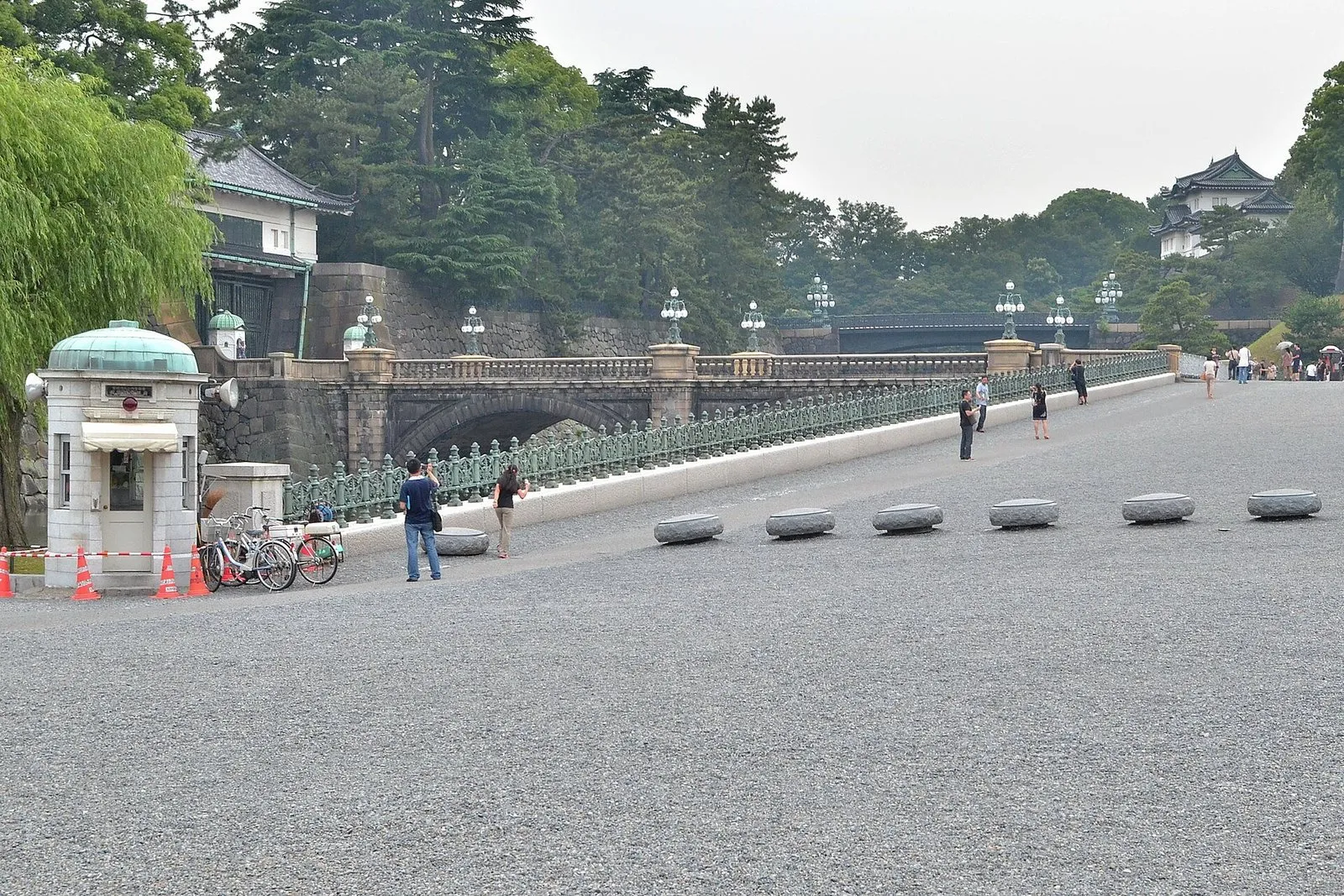
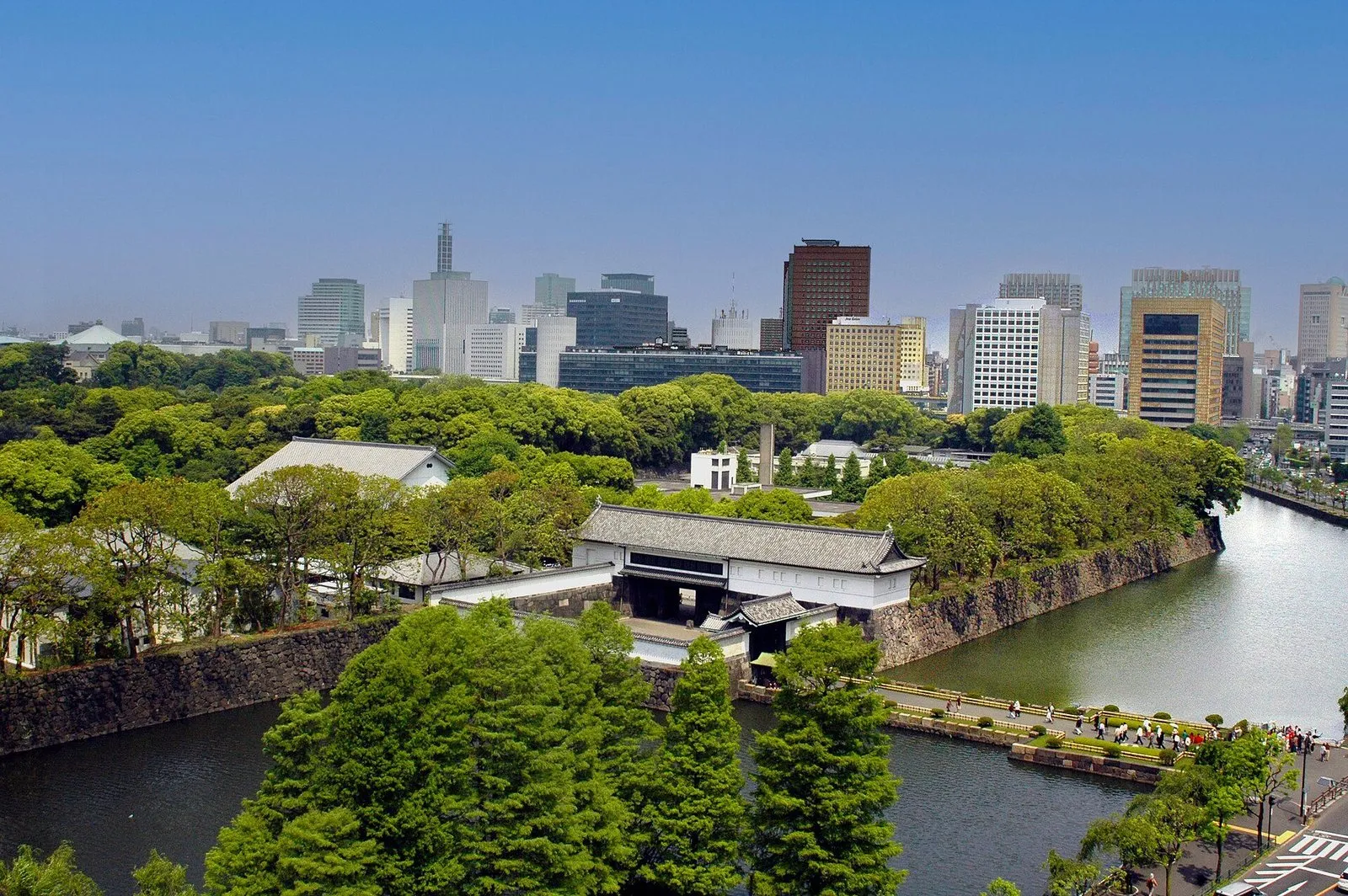
- 13Imperial Palace East GardensMarunouchi, Ginza and the Imperial Palace・5 min walk from Otemachi StationA garden on the former main grounds of Edo Castle, with the keep's stone base, walls and guardhouses still in place. Entry is free.
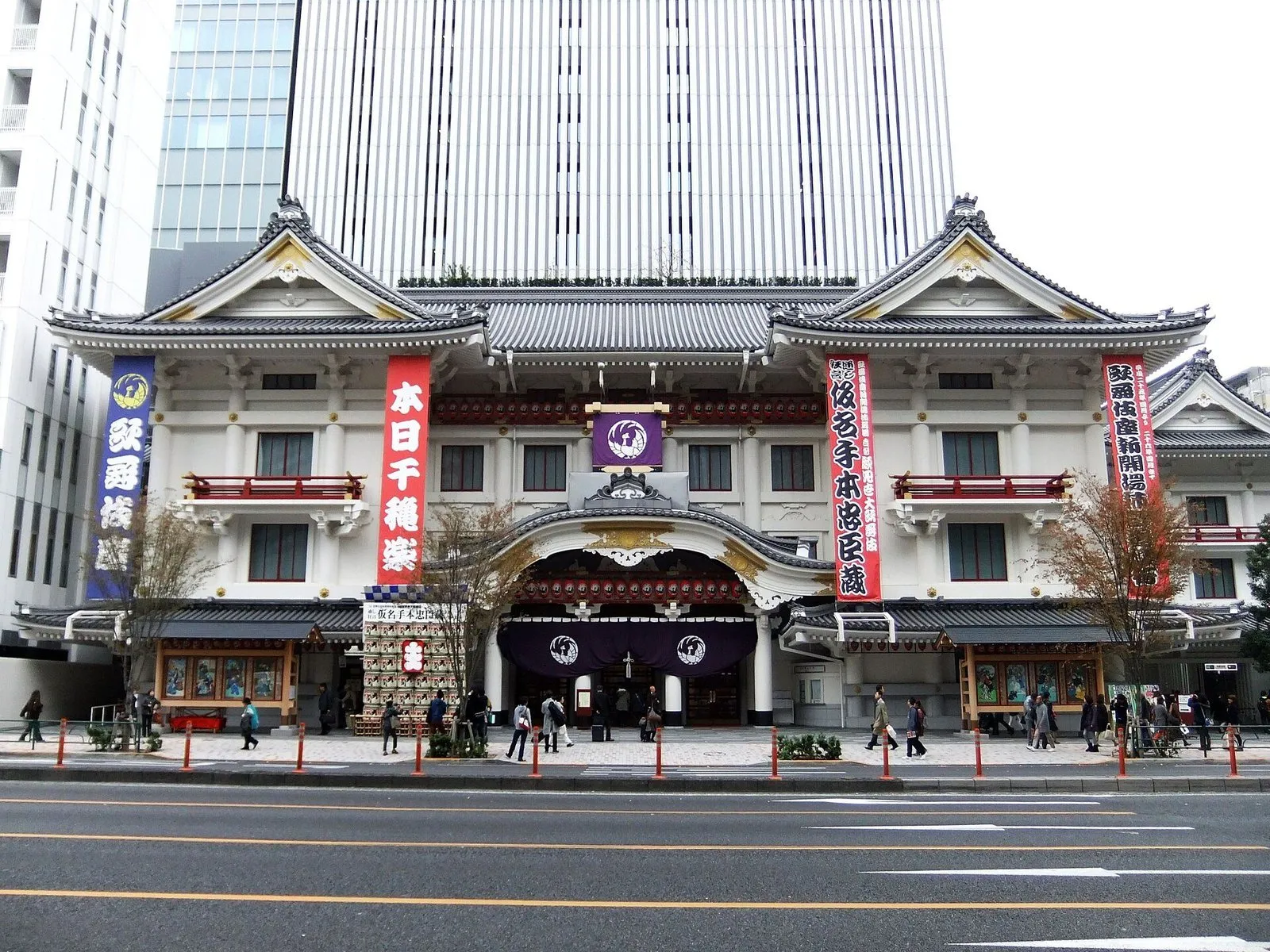
- 14Kabukiza TheatreMarunouchi, Ginza and the Imperial Palace・Right by exit 3 of Higashi-ginza StationGinza's theatre devoted to kabuki. Its tiled roof and curved gable make it a sight even if you do not see a show.
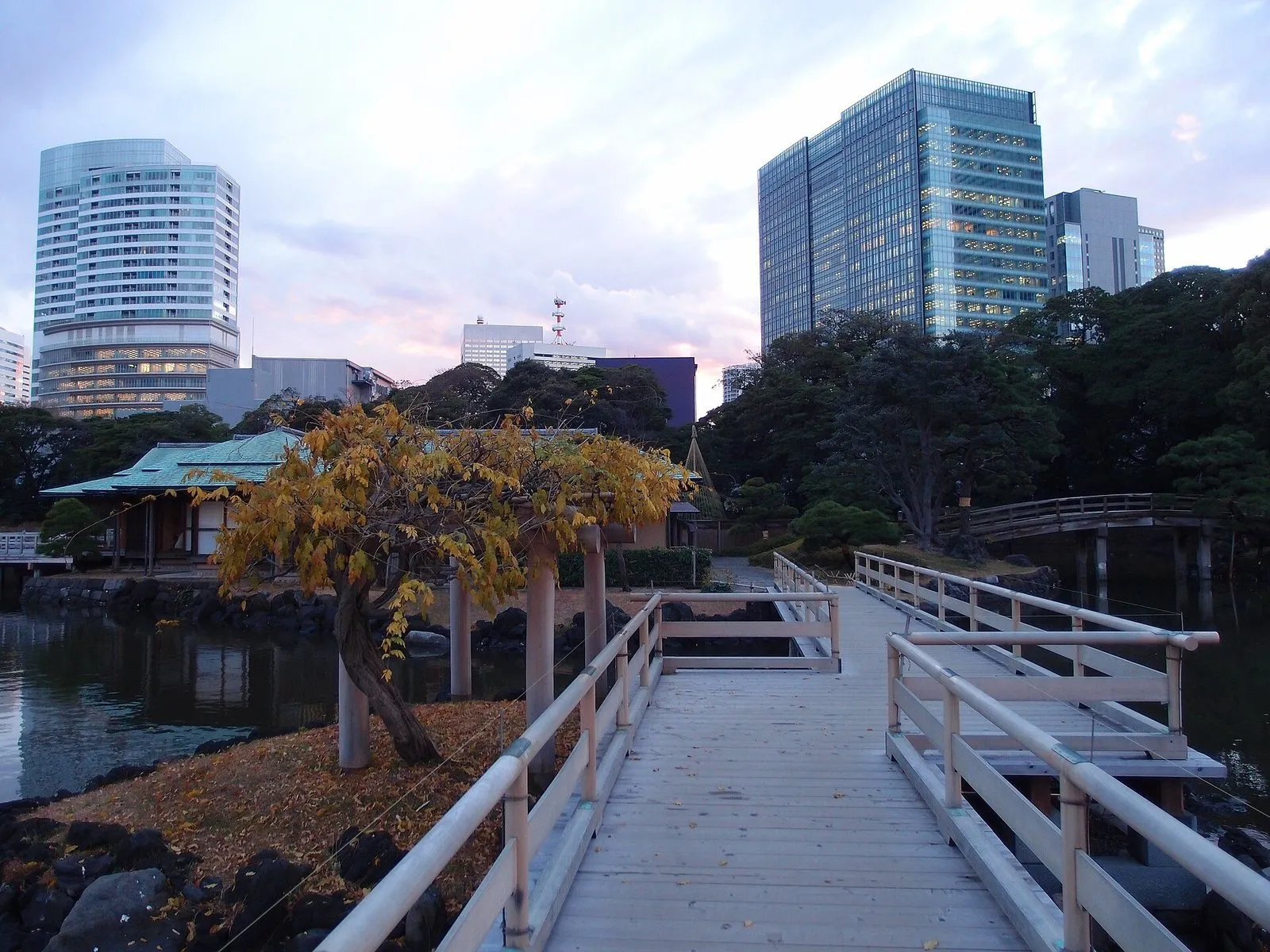
- 15Hama-rikyu GardensMarunouchi, Ginza and the Imperial Palace・5 min walk from Shiodome StationAn Edo-period feudal-lord garden ringed by skyscrapers. Its pond takes in seawater from Tokyo Bay, and you can have tea in a teahouse on an island in the pond.
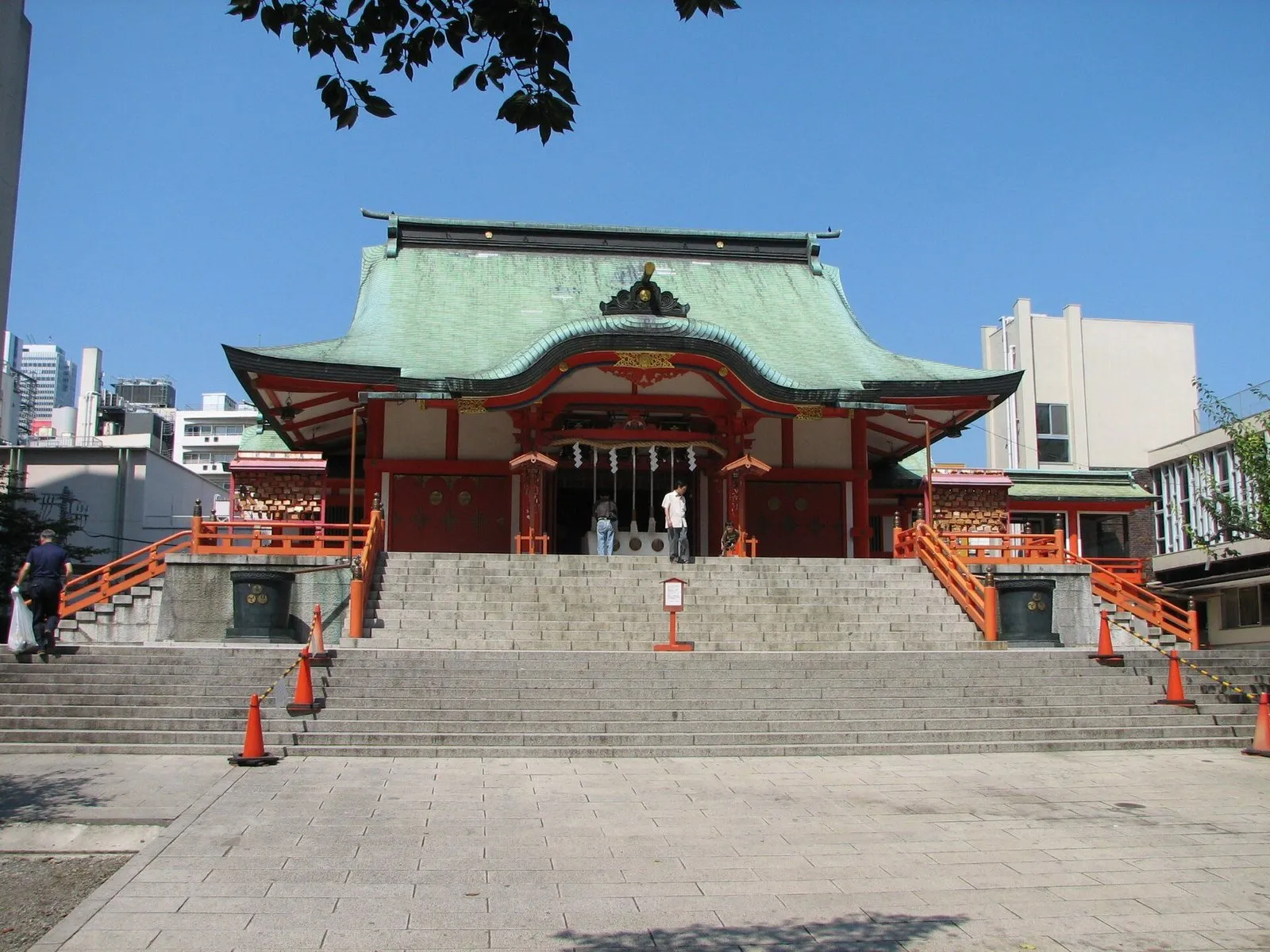
- 16Hanazono ShrineAround Shinjuku・Zero minutes on foot from Exit E2 of Shinjuku-sanchome StationA shrine in the middle of Shinjuku's office towers, the town's guardian shrine (sōchinju) since before the Edo period began.
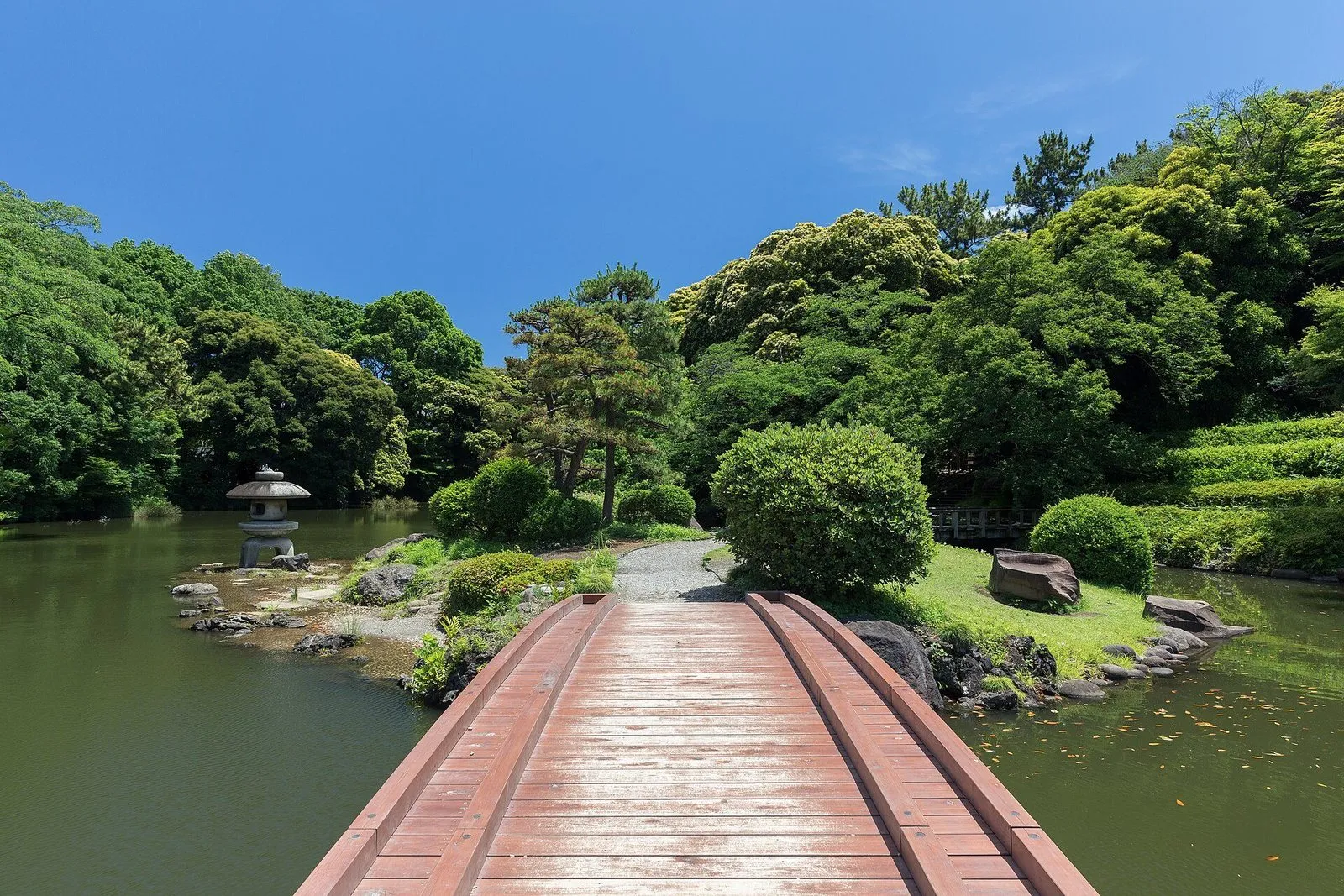
- 17Shinjuku Gyoen National GardenAround Shinjuku・5 min walk from Shinjuku-gyoemmae StationA 58.3-hectare garden in central Shinjuku that combines three styles: a symmetrical French-style garden, wide lawns, and a Japanese strolling garden.
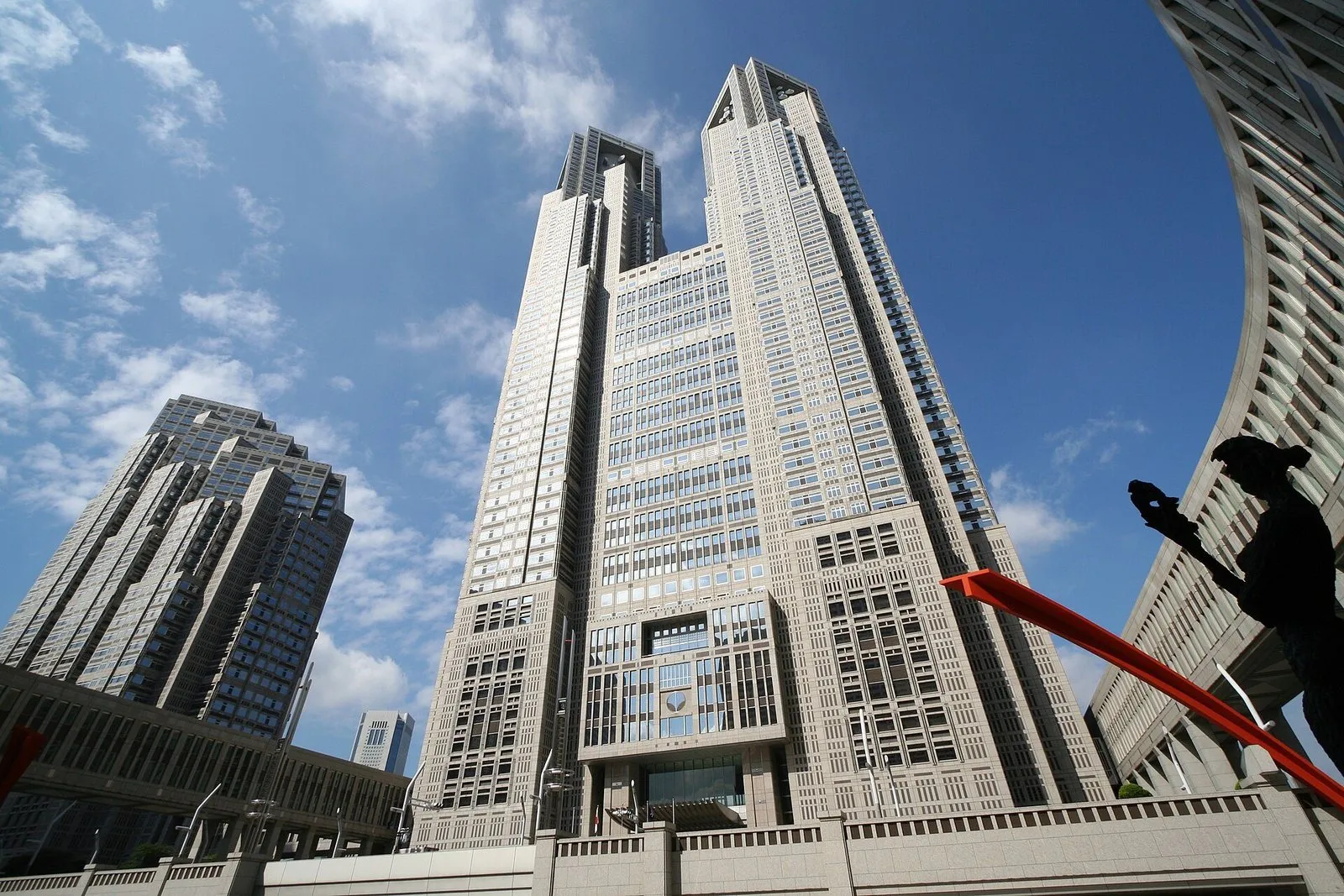
- 18Tokyo Metropolitan Government Building ObservatoriesAround Shinjuku・10 min walk from Shinjuku StationFree observation decks 202 metres above the ground, with views across Tokyo. There are two: the South and North Observatories.
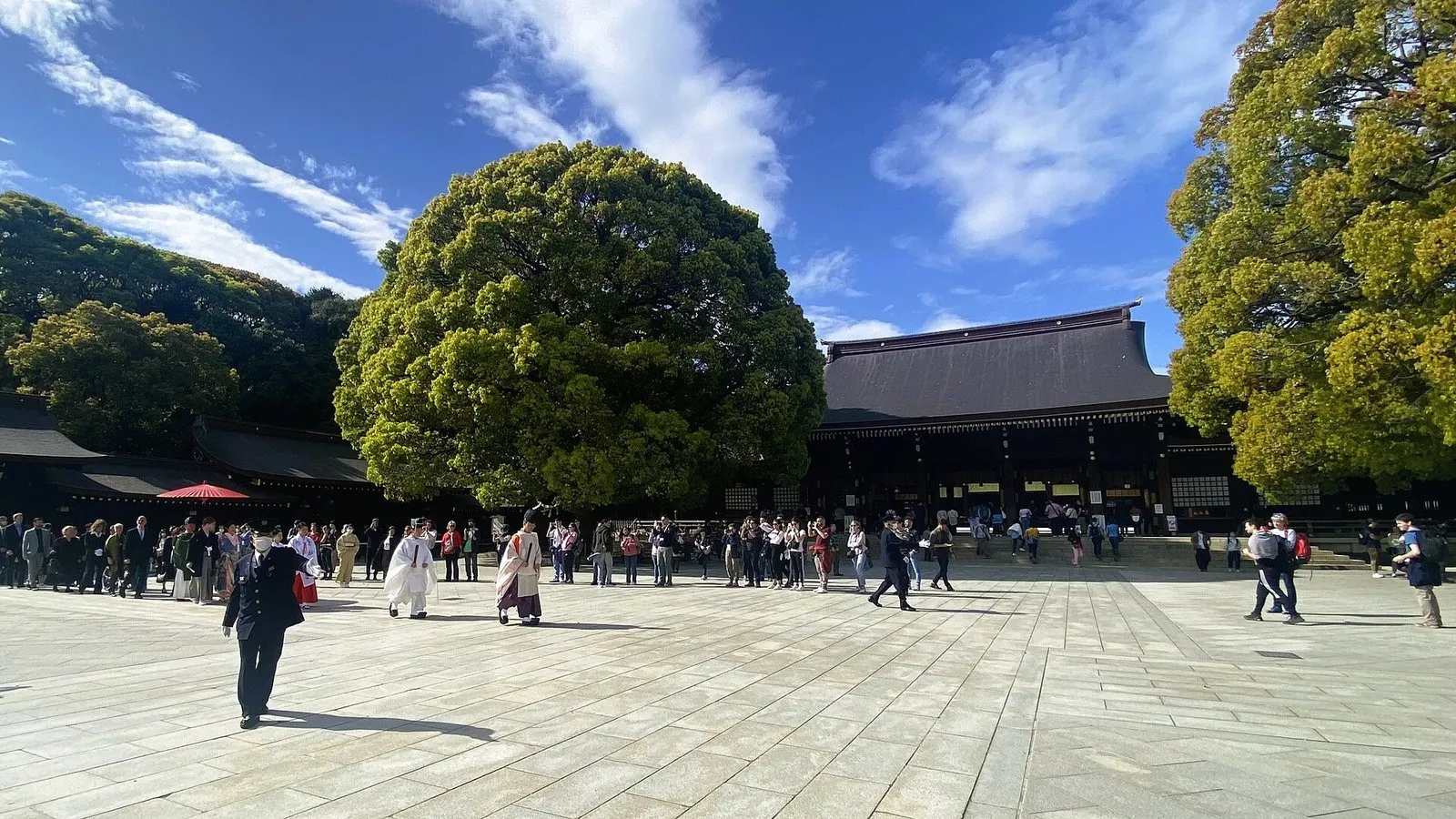
- 19Meiji JinguShibuya, Harajuku and Meiji Jingu・About 10 minutes on foot from the Harajuku entrance to the main hallThe shrine dedicated to Emperor Meiji and Empress Shoken. It sits in a large forest, and the approach paths are quiet for the middle of Tokyo.
- 20Yoyogi ParkShibuya, Harajuku and Meiji Jingu・3 min walk from Harajuku StationA large, free metropolitan park next to Meiji Jingu, split into a wooded area and an area with a running track and an open-air stage.
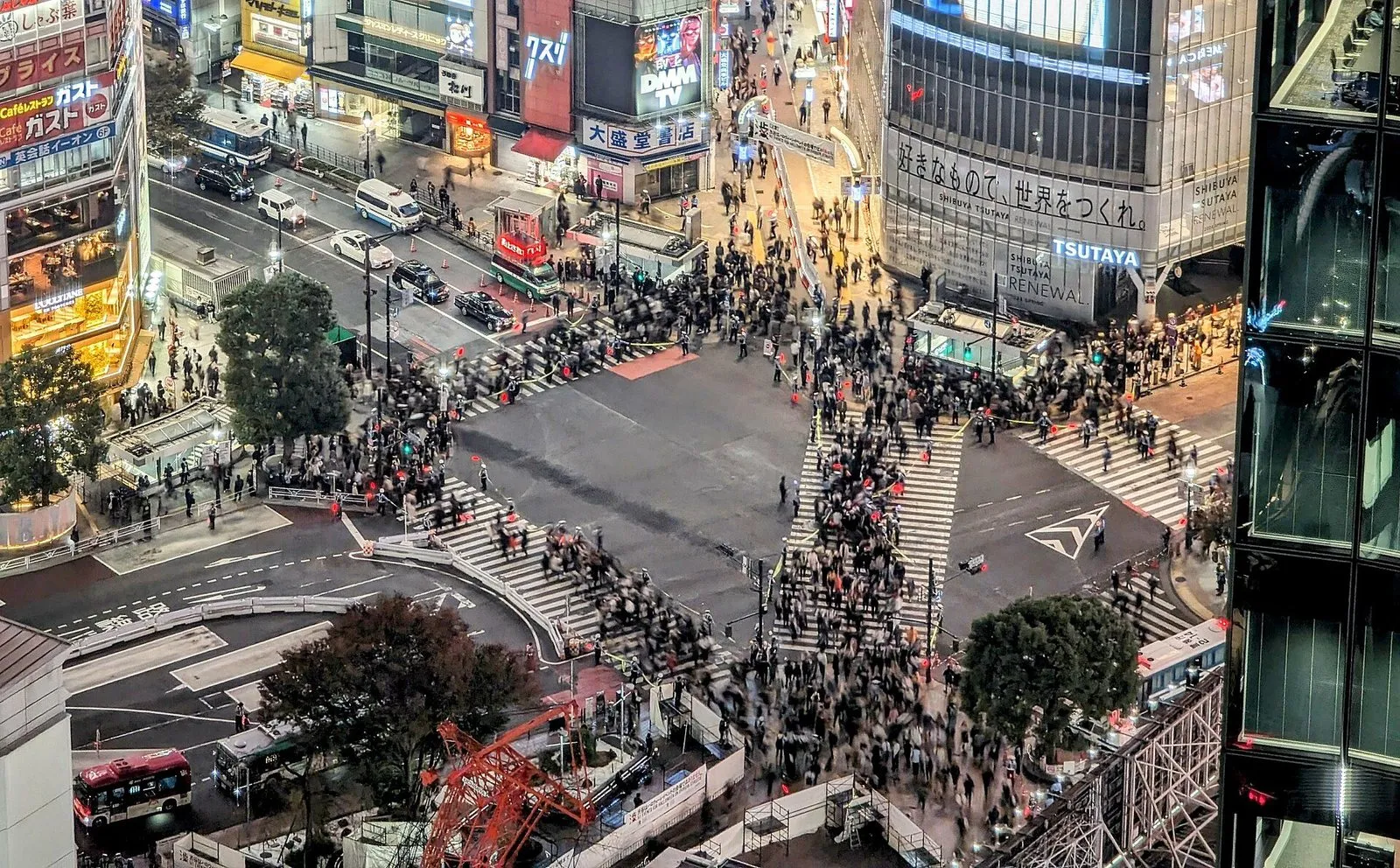
- 21Shibuya Scramble CrossingShibuya, Harajuku and Meiji Jingu・In front of Shibuya Station (no official walking time)Said to be crossed by about 500,000 people a day, this is Shibuya's best-known intersection and is famous with visitors from abroad.
- 22Hachiko StatueShibuya, Harajuku and Meiji Jingu・Right outside the Hachiko Exit of Shibuya StationA bronze statue of Hachi, the Akita dog who kept waiting at Shibuya Station for his late owner. It is a well-known meeting spot.
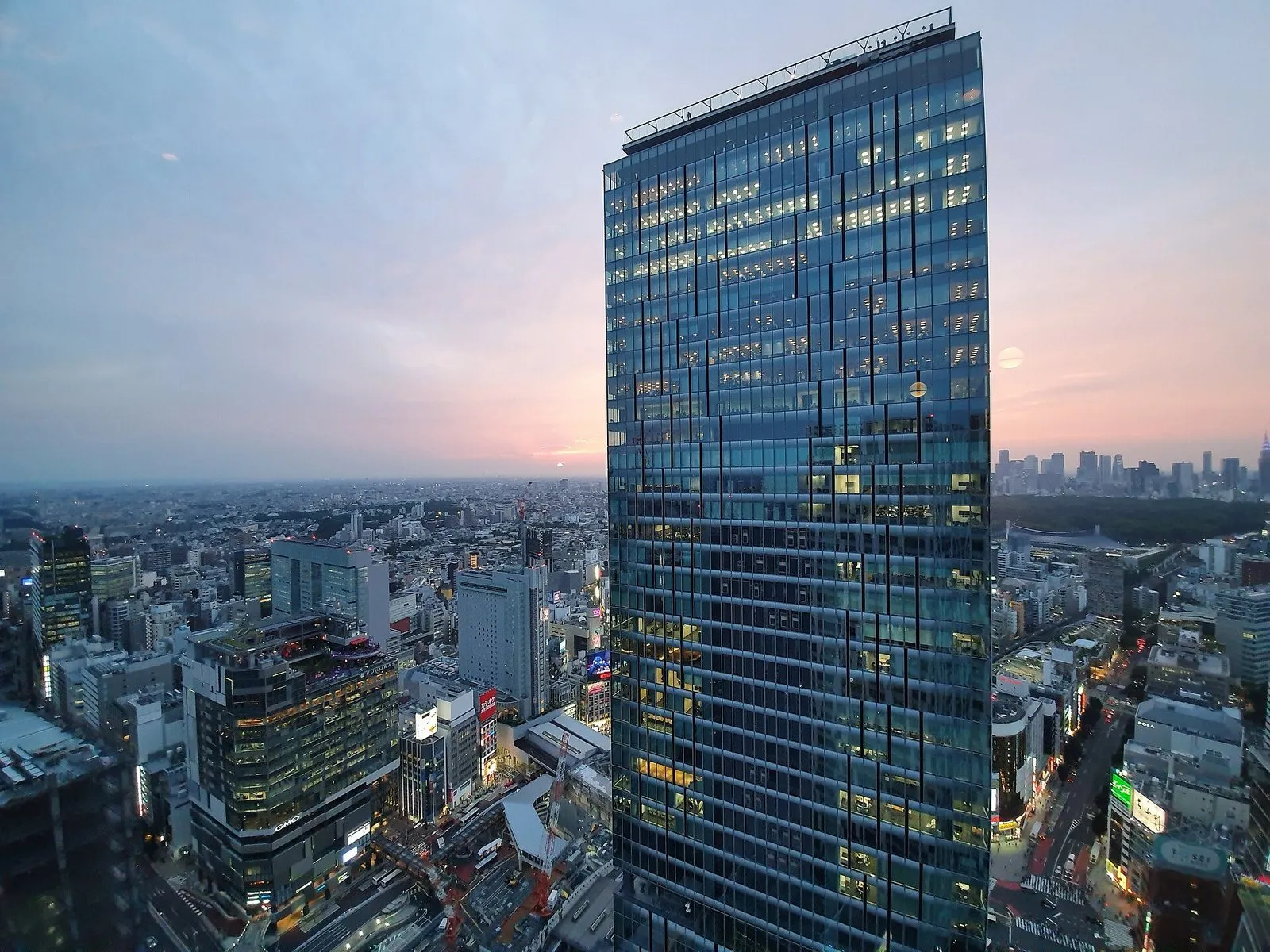
- 23SHIBUYA SKYShibuya, Harajuku and Meiji Jingu・Directly connected to Shibuya Station (Shibuya Scramble Square)An observation deck 229 metres above Shibuya at the top of Shibuya Scramble Square, with an indoor gallery and an open-air rooftop.
- 24Toyosu MarketOdaiba and Toyosu・From Shijomae Station (Yurikamome) via the pedestrian deckTokyo's central wholesale market, moved here from Tsukiji. Visitor walkways let you watch the early-morning tuna auction and more.
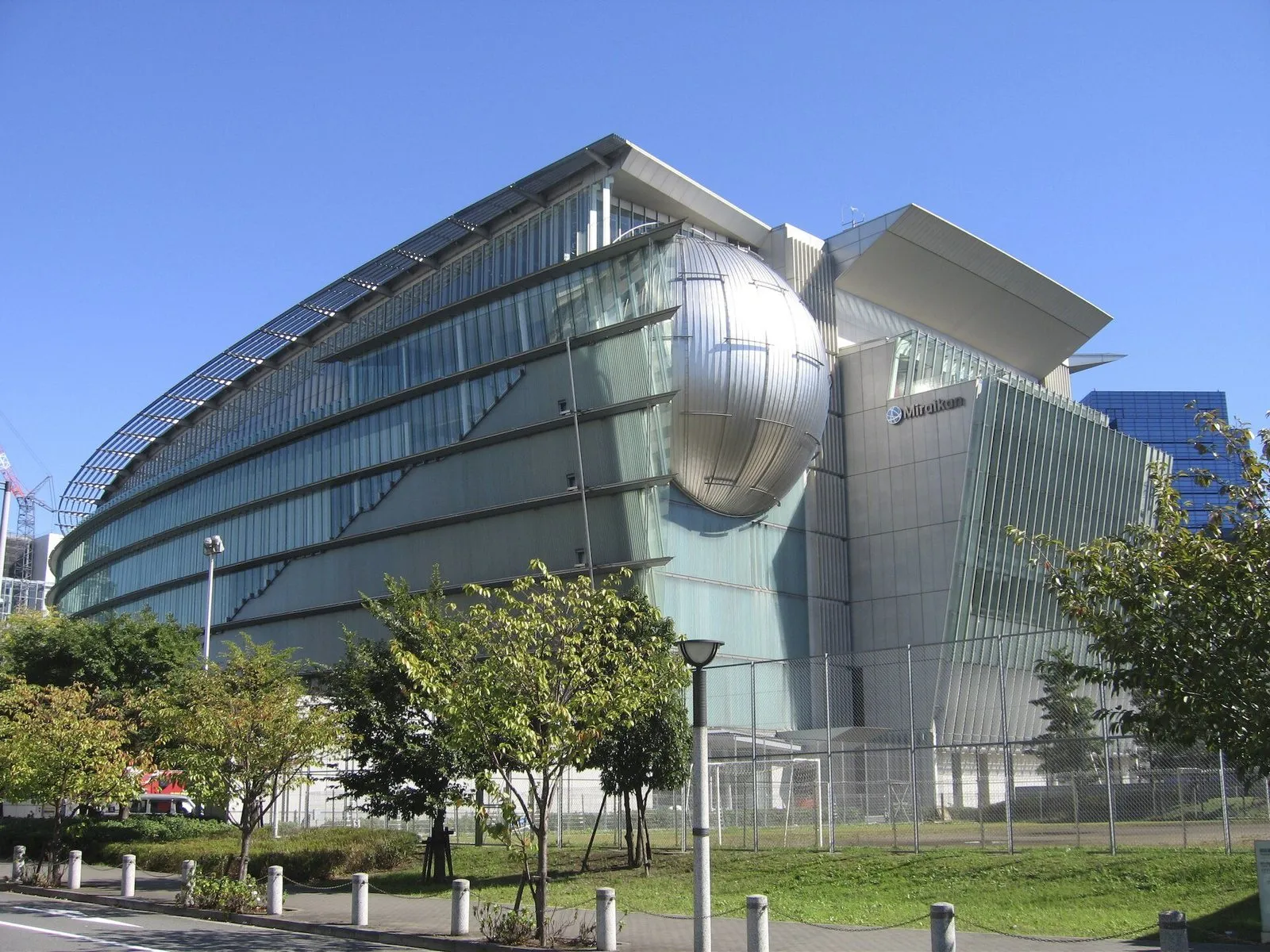
- 25Miraikan - The National Museum of Emerging Science and InnovationOdaiba and Toyosu・4 min walk from Telecom Center StationA national science museum where exhibits and films let you experience space, the Earth and the future of daily life. The whole museum is closed until 22 April 2027.
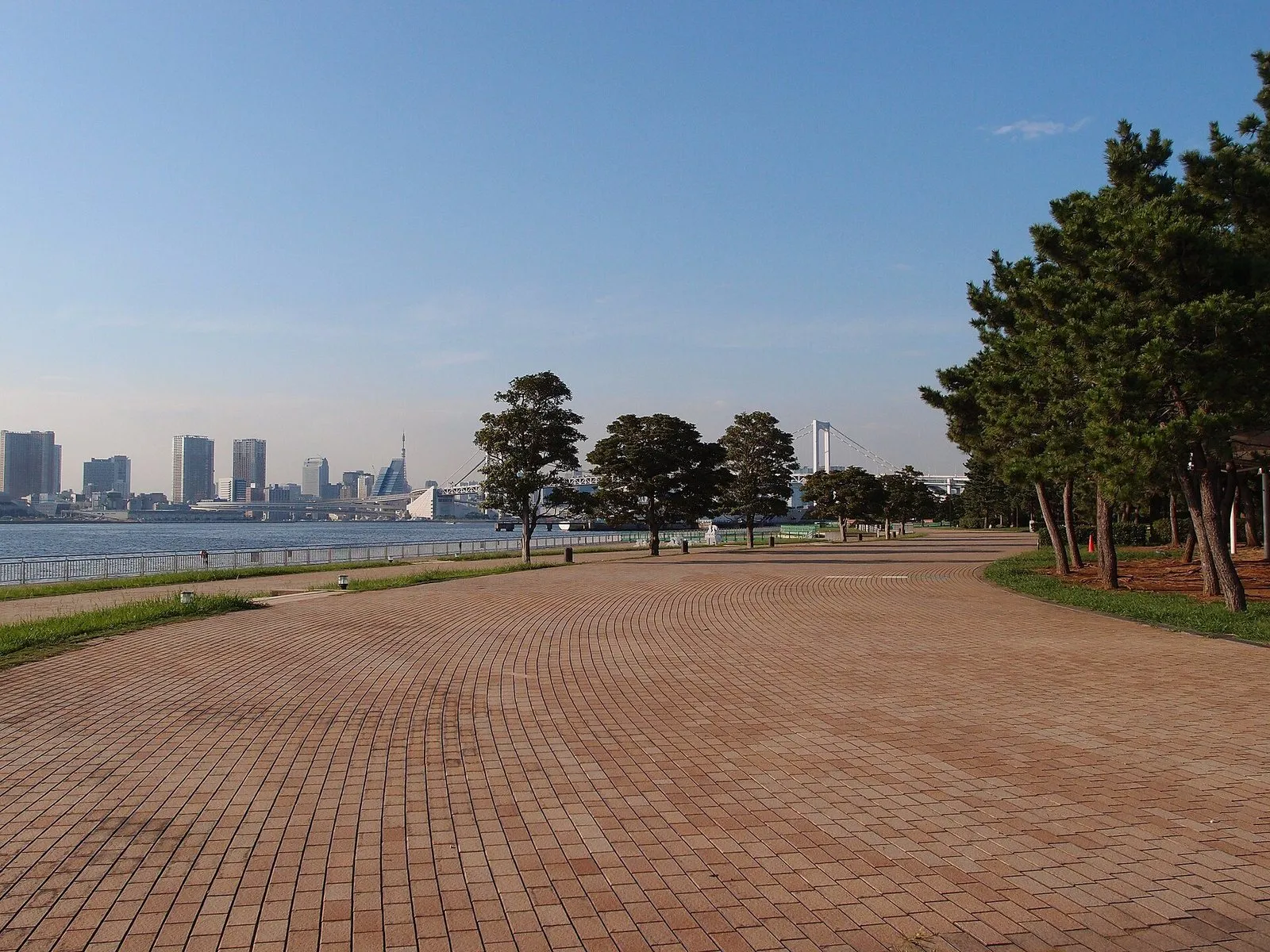
- 26Odaiba Seaside ParkOdaiba and Toyosu・3 min walk from Odaiba-kaihinkoen StationA sandy seaside park on Tokyo Bay with views of the Rainbow Bridge and the city skyline, and a replica of the Statue of Liberty.
Official sightseeing maps (PDF)
Printable maps from the local town or tourism association. Most are in Japanese.
- 東京国立博物館 ガイドマップ(PDF)(東京国立博物館)
- 国立西洋美術館 ご案内(PDF)(国立西洋美術館)
- 台東区立隅田公園パンフレット(PDF)(台東区)
- お台場海浜公園&台場公園 マップ(PDF)(東京港埠頭株式会社)
- 皇居外苑マップ(国民公園協会)
- 皇居イラストマップ(皇居東御苑)(宮内庁)
- 新宿御苑 見どころマップ(PDF)(環境省 新宿御苑)
- 代々木公園 園内マップ(PDF)(東京都公園協会)
- 明治神宮 境内地図(明治神宮)
Tokyo can feel impossible to plan. It isn’t one city so much as a dozen distinct districts stitched together by the world’s busiest train network. The fix is to stop thinking about “Tokyo” as a single place and start thinking in neighborhoods: where you arrive, where you sleep, and which areas match the trip you want. This guide covers getting in from the airports, riding the trains, the neighborhoods worth your time, where to base yourself, and the day trips within easy reach.
Prices and travel times below were checked in July 2026. Fares and admission change, and some tickets are priced per date, so confirm current figures on the official pages before you go.
Why visit Tokyo
Tokyo rewards travelers who treat it as a set of neighborhoods, not one giant blur. In a single day you can start at a 7th-century temple in Asakusa, cross the world’s busiest pedestrian scramble in Shibuya, and end up in a six-seat bar in a Shinjuku alley. Each district has its own character, and the trains between them are fast, frequent, and easy to read in English.
It also works as a base for the wider region. Some of Japan’s best day trips — old shrines, hot springs, and views of Mount Fuji — sit within about two hours of the city center. You can spend your nights in Tokyo and still see a lot beyond it.
How to get there and around
From Haneda Airport (HND)
Haneda sits closer to central Tokyo than Narita, so it’s the easier arrival if you have the choice. Two rail options cover most travelers:
- Tokyo Monorail to Hamamatsucho — about 13–20 minutes, around ¥500. At Hamamatsucho you transfer to the JR Yamanote Line for stations like Tokyo, Shinjuku, and Shibuya.
- Keikyu Line to Shinagawa — about 13 minutes, around ¥300. Shinagawa is a major JR hub, and some Keikyu trains continue straight onto the subway toward central Tokyo without a change.
From Narita Airport (NRT)
Narita is farther out, roughly 60–70 km east of the city. You have three main ways in:
- Keisei Skyliner to Nippori and Ueno — about 40 minutes, around ¥2,580. The fastest train option, and both stops connect to the JR Yamanote Line.
- Narita Express (N’EX) to Tokyo Station (and on to Shinjuku, Shibuya, and Yokohama) — about 53 minutes. The one-way fare runs in the ¥3,000 range and is under revision in 2026, so check the current price with JR East before you buy.
- Airport Limousine Bus to major hotels and stations — roughly 90 minutes to 2 hours depending on traffic, around ¥3,000. Slower, but it drops you near your hotel with no train changes, which helps with heavy luggage.
Getting around the city
Tokyo’s rail network looks intimidating on a map but is simple in practice:
- JR Yamanote Line is the green loop that circles central Tokyo and links most of the stations you’ll want — Tokyo, Ueno, Akihabara, Shinjuku, Shibuya, and more. If you learn one line, learn this one.
- Tokyo Metro and Toei subways fill in everything the loop doesn’t reach. Between the two, they cover the whole center.
- IC cards (Suica or PASMO) work on nearly every train, subway, and bus in the city. You tap in and out, and the fare is worked out for you. Regular cards went back on general sale in 2025 and carry a ¥500 deposit that’s refunded when you return the card.
Tokyo’s neighborhoods at a glance
Tokyo is easiest to understand one district at a time. Here are six that cover most first trips. Each gets a fuller guide over time; this is the overview.
Asakusa
Old-town Tokyo- Area
- 📍 Asakusa Station (Ginza / Asakusa lines)
The old downtown, built around Senso-ji (浅草寺), Tokyo’s oldest temple. The temple grounds are free, the approach street is lined with snack and souvenir stalls, and the low-rise streets feel like an older Tokyo. Best in the morning before the crowds.
Shinjuku
Nightlife & transport hub- Area
- 📍 Shinjuku Station (Yamanote & many lines)
A huge transport hub wrapped in offices, department stores, and nightlife. It packs skyscraper views, the tiny bars of Omoide Yokocho and Golden Gai, and the green space of Shinjuku Gyoen into one district. Loud, busy, and open late.
Shibuya
Youth culture- Area
- 📍 Shibuya Station (Yamanote & subway lines)
The center of youth fashion and street culture, famous for the Shibuya Scramble crossing outside the station. Come for shopping, people-watching, and rooftop city views. Busiest — and most photogenic — after dark.
Ginza
Upscale shopping- Area
- 📍 Ginza Station (Ginza / Marunouchi / Hibiya lines)
Tokyo’s polished shopping district — flagship stores, department-store food halls, and quieter, pricier dining. On weekend afternoons the main avenue closes to cars and becomes a pedestrian street. Calm and grown-up compared with Shibuya.
Ueno
Museums & park- Area
- 📍 Ueno Station (Yamanote & subway lines)
A green, cultural pocket in the north. Ueno Park holds several of the city’s big museums plus a zoo, and the nearby Ameyoko market street is packed with cheap food and shopping. A good rainy-day base, and a short hop from Asakusa.
Akihabara
Electronics & anime- Area
- 📍 Akihabara Station (Yamanote & Hibiya lines)
The electronics and anime district — multi-floor gadget stores, hobby and manga shops, arcades, and themed cafes. Even if you’re not shopping, it’s worth a walk for the signs, sounds, and sheer density. Free to wander.
Big-ticket sights sit inside or between these areas. The Tokyo Skytree rises over Asakusa across the river, teamLab Planets is out at Toyosu, and Shibuya Sky caps the tower above Shibuya Station. All three use date- or time-based pricing, so book through the official site and check the current fare rather than trusting a fixed number.
Our Tokyo guides
Deeper, hands-on guides to Tokyo are on the way. Here’s what’s coming:
- Best budget hotels in Tokyo — highly rated, well-located places to stay without paying central-Tokyo peak prices. (Coming soon)
- A self-guided Tokyo walk — a route that strings together the sights of one district on foot. (Coming soon)
- Where to eat in Tokyo — how to find great, affordable meals in a city with too many choices. (Coming soon)
Where to stay: choosing your neighborhood
In Tokyo the right base is the one with the best train links for your plans, not the fanciest hotel. Four areas cover most travelers:
- Shinjuku — the busiest hub, with direct trains almost everywhere and easy access to Narita, Hakone, and Mount Fuji. Lots of hotels at every price. Best for first-timers who want everything on the doorstep and don’t mind the crowds.
- Tokyo Station / Marunouchi — central, calm at night, and the launch point for shinkansen (bullet trains) to Kyoto, Osaka, and beyond. Best if you’re moving on to other cities or want a quieter, business-district base.
- Ueno / Asakusa — the northeast, generally better value than the west side. Close to Narita via the Skyliner and full of old-Tokyo atmosphere. Best for budget-minded travelers and anyone drawn to the traditional side of the city.
- Shibuya — young, lively, and full of shopping and nightlife, with strong train links south and west. Best if you want to be in the middle of the action and plan late nights.
Easy day trips from Tokyo
Some of the best trips in Japan start at a Tokyo platform and need no changes on the way. Fastest direct rides on the official weekday timetables (checked September 2026):
- Yokohama — 26 minutes from Tokyo Station on the JR Tokaido Line. A harbor city of Chinatown, waterfront walks, and night views.
- Kamakura & Enoshima — 55 minutes from Tokyo Station on the JR Yokosuka Line. Temples in the hills, the Great Buddha, and a small island at the end of a seaside railway.
- Hakone — 1 hour 24 minutes from Shinjuku on the Odakyu Romancecar. Hot springs, a volcanic valley, and a lake that frames Mount Fuji on a clear day.
- Mt. Fuji & Kawaguchiko — 1 hour 35 minutes from Shinjuku by highway bus. The classic lake-and-mountain view. Road traffic can stretch the ride, so leave a buffer.
- Nikko — 1 hour 57 minutes from Shinjuku on the one daily JR–Tobu direct limited express, or by Tobu limited express from Asakusa. Ornate mountain shrines and waterfalls in a cedar forest.
When to visit
Tokyo is a city destination, so it’s rewarding year-round — the shopping, food, museums, and nightlife don’t depend on the season. Two windows stand out. Late March to early April brings cherry blossoms, with Ueno Park and the Meguro River among the classic spots. Late November to early December brings comfortable weather and autumn color. Both are popular and pricey, so book accommodation early. Bloom and color dates shift each year, so treat these as typical ranges, not fixed dates.
Tokyo FAQ
How many days do you need in Tokyo?
Three to four days let you see the main neighborhoods without rushing. If you plan day trips to places like Kamakura, Nikko, or Hakone, add a day for each. Tokyo easily fills a week when paired with day trips.
Should I fly into Haneda or Narita?
Haneda is closer to central Tokyo and usually the more convenient arrival, but flight availability and price often decide it. Both airports have fast, well-signed train links into the city, so either works fine.
Do I need a Suica or PASMO card?
It's the easiest way to ride Tokyo's trains, subways, and buses — you tap in and out and the fare is calculated for you. Regular cards are on sale again as of 2025 and carry a refundable deposit. A card from another region works too.
Do I need a car in Tokyo?
No. Tokyo's train and subway network reaches everything a visitor needs, and day trips are all easy by train. A car is more hassle than help in the city.
Can I get around Tokyo in English?
Yes. Station signs, ticket machines, and train announcements include English, and mapping apps handle the transfers. Learning to read the Yamanote Line map covers most sightseeing.